


When hearing the term bronchial asthma, many people imagine difficulty breathing, shortness of breath, and inhalers used to administer medication. According to GINA, the organization behind the international awareness day dedicated to this disease, observed annually on the first Tuesday of May, this perception is far from reality.
This chronic inflammatory disease of the airways is one of the most common chronic illnesses worldwide. According to the World Health Organization (WHO), 262 million people around the globe suffer from bronchial asthma, and the disease claims more than 450,000 lives each year. In Lithuania, around 55,000 adults are affected by asthma.
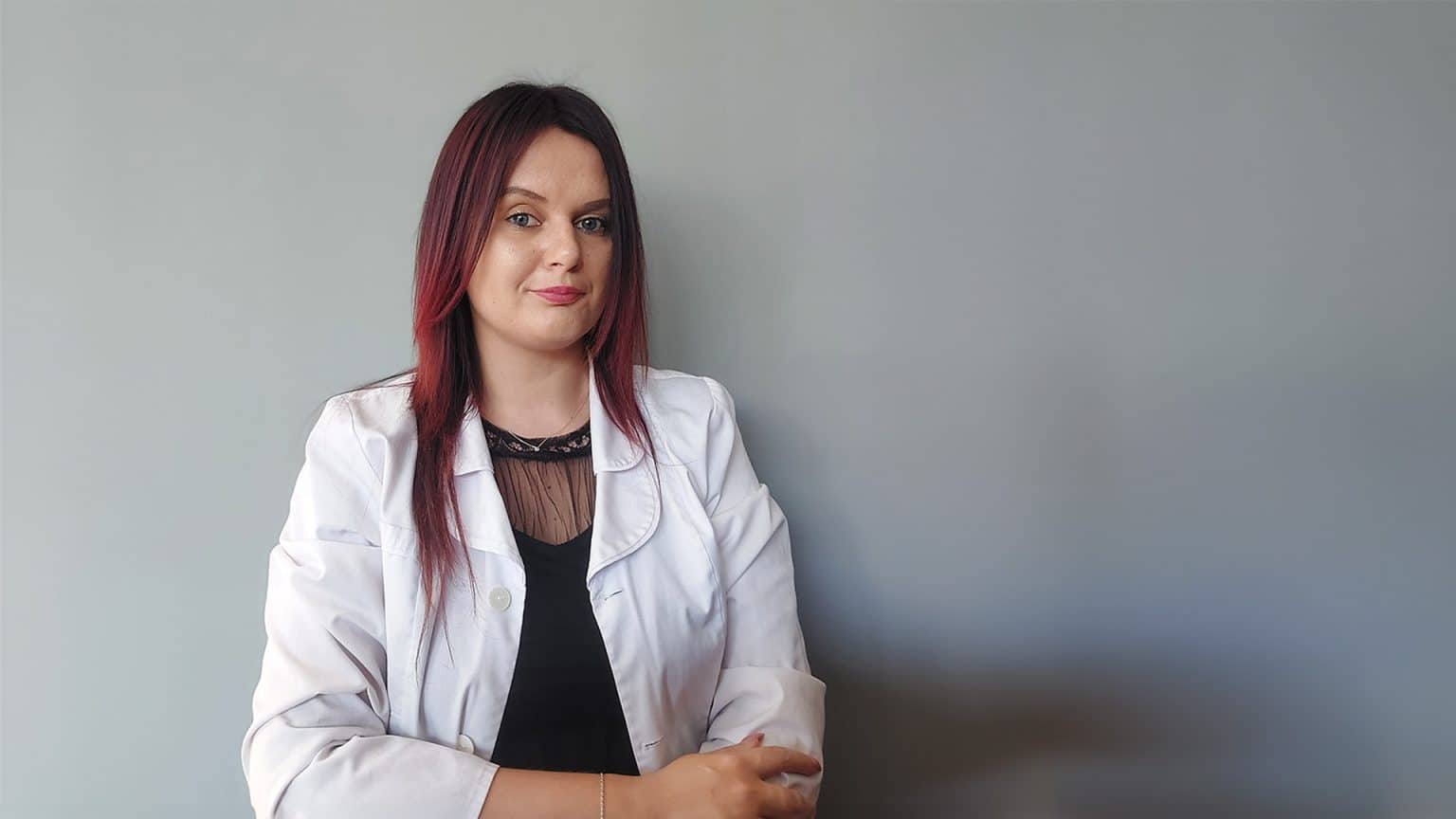
Pulmonologist Dr. Gabrielė Čepulytė-Višinskienė also notes that the prevalence of asthma continues to increase.
How Asthma Manifests Itself
According to the doctor, asthma is characterized by recurring increased sensitivity of the bronchi and temporary narrowing of the airways. The symptoms of the disease are relatively easy to recognize: patients wheeze, experience shortness of breath even at rest, cough, and feel tightness in the chest. In some cases, these symptoms may disappear on their own, while in others treatment is required.
“In adults, asthma is diagnosed if bronchial obstruction is confirmed at least once. This is determined during a spirometry test,” explains Dr. G. Čepulytė-Višinskienė.
Spirometry measures how well the lungs inhale and exhale air. The patient blows into a spirometer, which measures the total volume of exhaled air and the speed of airflow. The examination is usually performed by a pulmonologist, although in cases of allergic bronchial asthma it may also be conducted by an allergist-clinical immunologist.
In infants and young children, the disease is diagnosed based on medical history and clinical and laboratory findings, as spirometry results may not be reliable.
“Once a diagnosis of bronchial asthma is established, the next visit to a specialist is usually scheduled within 1–3 months. Later, depending on the severity of the disease, patients should visit these specialists once or twice a year, as well as during exacerbations or worsening of symptoms,” says the specialist.
According to her, asthma can begin at any age, but it is most commonly diagnosed in childhood or adolescence. Attacks may be triggered by various factors, including polluted air, physical exertion, strong emotions, alcohol, smoking, allergens, and even medications. In many cases, it is impossible to determine the exact trigger.
Treatment Lasts a Lifetime
“Bronchial asthma is a chronic disease, meaning that most patients live with it for life and must take medication continuously,” emphasizes Dr. G. Čepulytė-Višinskienė.
This is directly related to one of the most common problems experienced by asthma patients — symptoms are often poorly controlled. According to the doctor, achieving optimal treatment results requires close cooperation between the patient and physician, as well as adherence to the prescribed treatment regimen.
The foundation of asthma treatment is inhaled anti-inflammatory medication for the bronchi, while exacerbations are treated in hospital settings. Although the disease cannot be completely cured, proper treatment allows its course to be effectively controlled.
As the doctor explains, asthma patients may experience difficulties during physical activity and sleep, which is why they are advised to carry bronchodilator medication to help control attacks. She also stresses the importance of informing educational institutions attended by children with asthma about how to respond during an asthma attack.
Modern Treatment Options Available
The pulmonologist highlights that patients with bronchial asthma in Lithuania may receive a modern form of treatment — biologic therapy. This treatment option may be prescribed for moderate to severe asthma that is difficult to control.
Biologic therapy involves creating a personalized treatment plan, with medications administered through injections, usually every few weeks.
Initially, says the specialist, patients receiving biologic medications are monitored every four weeks, and after 16 weeks the effectiveness of the treatment is evaluated. During continued biologic treatment, the patient must visit the prescribing physician at least once every six months.
What to Do During an Asthma Attack
When an asthma attack begins, it is important to remain calm: stop the current activity, sit comfortably, and breathe slowly by inhaling through the nose and exhaling through pursed lips.
Patients are then advised to use inhaled medication through an inhaler. If there is no improvement after 1–2 minutes, the medication should be inhaled again. If the condition does not improve even after using the inhaler, emergency medical assistance should be called.
Immediate medical attention is necessary if the patient can no longer speak in full sentences, if the lips or face begin turning blue, or if weakness or loss of consciousness occurs.


